Why It Matters
Why integrating Alabama natives creates resilient, low-maintenance beauty in estate gardens while still feeling refined and intentional is a question more homeowners are beginning to ask. The answer is not simply that native plants are practical. It is that the right native palette can make a landscape feel more rooted, more believable, and more graceful over time.
In Alabama, long summers, heavy humidity, strong rain events, and swings between lush growth and seasonal stress all shape how a landscape performs. Plant material that already understands those conditions tends to settle in with more confidence and demand less correction later.
That does not mean the palette should feel loose or unmanaged. In a high-end residential setting, native planting works best when it is edited with the same discipline as the rest of the architecture. Repetition, massing, and proportion still matter. The difference is that the composition draws its strength from plants that belong to the region rather than from material that must constantly be pushed to keep up.
“The best native palettes feel composed rather than wild, regional rather than generic, and easier rather than lesser.”
How To Shape It
A luxury native palette still needs hierarchy. Canopy trees should establish the scale of the property first, evergreen massing should hold the composition together, and seasonal perennials should be used with enough restraint that they read as deliberate accents rather than scattered color.
For larger residential work, that often means pairing broad structural forms with softer understory layers. A live oak, cedar, or well-placed native magnolia can provide permanence, while masses of grasses, flowering perennials, and lower shrubs create movement closer to the ground plane.
Color should be handled with restraint. A palette can absolutely include bloom and seasonal variation, but the most elegant results usually come from working with a smaller number of tones repeated generously. Greens, silvers, soft whites, and occasional seasonal notes read as calm and architectural. Too many isolated accents make even beautiful plant material feel busy.
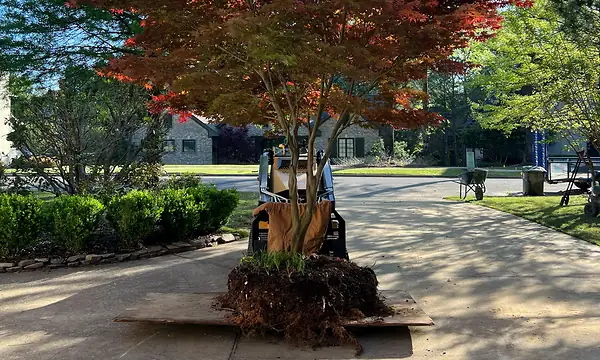
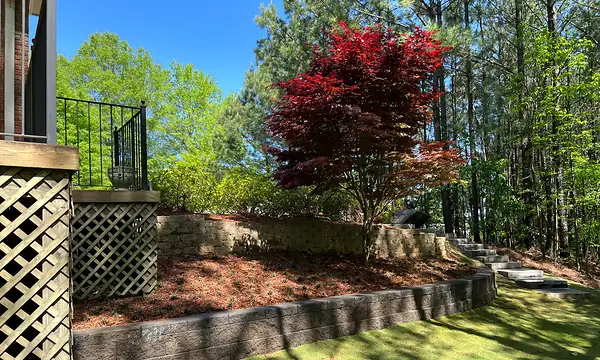
This is also where site conditions should lead the conversation. Sun exposure, drainage, grade change, and the visual relationship between the house and the surrounding property all affect how the palette should be built. Native planting is not a preset list. It is a regional vocabulary shaped to a very specific property.
What To Expect
Native palettes usually reward patience. The first season often looks clean and promising, but the second and third are when the planting begins to develop its full rhythm. The maintenance burden tends to shift from constant intervention toward lighter editing: selective pruning, seasonal cleanup, and occasional rebalancing.
For the client, the appeal is straightforward. The landscape still feels designed, but it behaves more naturally in the climate around it. That means less strain, more resilience, and a stronger sense that the property belongs exactly where it is.
Over time, that usually translates into a property that photographs well, ages well, and feels more settled with each passing season. For clients reviewing concepts in the design phase, that is often the most persuasive argument: native palettes can be beautiful on day one, but they become especially compelling in year three, year five, and beyond.